A Guide to Luxury Jacket Fabrics for Men
A jacket can be impeccably cut and still feel wrong the moment it is worn. It may crease too quickly between meetings, feel oppressive at a terrace dinner, or lack the quiet authority its silhouette promises. This guide to luxury jacket fabrics begins where bespoke tailoring should begin: with the life you lead, the rooms you enter, and the impression you intend to leave.
In a bespoke jacket, cloth is not a decorative decision made after the pattern. It shapes the garment's drape, temperature, texture, resilience and character. The right fabric allows the construction to work with the body. The wrong one can make even an excellent fit feel compromised.
A Guide to Luxury Jacket Fabrics: Begin With Purpose
There is no single superior jacket fabric. A cloth that performs beautifully in a cool boardroom may be unsuitable for a summer engagement in Dubai. A featherlight open weave can be invaluable in heat, yet it will not offer the same crisp line or resistance to abrasion as a denser business wool.
The first consideration is frequency. For a jacket worn weekly, refined wool offers the most balanced combination of recovery, comfort and polish. For occasional evenings, travel or a specific social season, softer, more expressive fibres become possible. The second consideration is construction. A lightly canvassed jacket and a dense cloth produce a very different result from a structured shoulder and the same cloth.
Finally, consider the message. Smooth worsted wool reads as precise and formal. A matte hopsack suggests assured ease. Linen communicates relaxed confidence, while a restrained cashmere blend brings a richer, more tactile presence. Luxury is not simply the rarest fibre. It is the cloth chosen with enough discernment to look inevitable.
Wool: The Foundation of a Serious Jacket Wardrobe
For most men, wool is the essential starting point. It is naturally breathable, resists odour, takes colour exceptionally well and has a useful degree of resilience. More importantly, it can be woven into dramatically different qualities, from clean, fine business cloths to textured jackets with depth and personality.
Worsted Wool
Worsted wool is spun from long, combed fibres, creating a smooth surface and a clear, elegant finish. It is often the most appropriate choice for formal business jackets, polished evening tailoring and garments that must retain their shape through a long day. A navy or charcoal worsted jacket has authority without demanding attention.
The trade-off is that very fine worsteds can be delicate. A high yarn count may feel beautiful in the hand, but it is not automatically the wisest choice for a jacket exposed to frequent travel, desk edges and regular wear. For a working wardrobe, a medium-weight, high-quality worsted often proves more luxurious in practice because it continues to look composed after repeated use.
Hopsack, Fresco and Open Weaves
Textured wool weaves deserve particular attention in warm climates. Hopsack has a loose basket weave that creates airflow and a dry, textured appearance. It is exceptionally versatile for an unstructured blazer, pairing naturally with tailored trousers, fine knitwear or open-collar shirts.
Fresco, generally made from tightly twisted wool, offers a crisp handle and excellent breathability. It tends to crease less than linen and can cope admirably with heat, making it a considered option for men who want a sharper line in demanding conditions. Its texture is more technical than sensual, however, and some clients prefer the softer hand of a wool, silk and linen blend for social occasions.
Open weaves require proper care. Their ventilation is their advantage, but they can be more vulnerable to snagging than a compact cloth. A bespoke consultation should account for how the jacket will actually be used, not merely how it feels when first placed on the shoulder.
Cashmere and Wool-Cashmere: Quiet Richness
Pure cashmere has an unmistakable softness, warmth and depth of colour. It creates a jacket with a gentle, luxurious surface and a more relaxed drape than conventional worsted wool. For cooler months, private dinners and less formal business settings, it has few equals.
Yet pure cashmere is not always the practical answer. It can pill, show wear more readily and lack the shape retention needed for a garment worn hard every week. A wool-cashmere blend is often the more intelligent choice. Wool lends structure and durability; cashmere brings softness, warmth and visual richness.
For the man who already owns dependable business tailoring, a dark chocolate, deep green or midnight-blue wool-cashmere jacket can add distinction without becoming theatrical. The cloth is especially effective when the cut remains restrained and the fit is built entirely around the body it belongs to.
Silk: Lustre With Restraint
Silk is rarely selected for a jacket because it is easy. It is selected because it introduces light, fluidity and a refined surface that other fibres cannot fully replicate. In blends, silk enhances colour and lends a subtle luminosity to wool, linen or cashmere. A silk-blend jacket can look remarkably alive under evening lighting without appearing glossy.
Pure silk is best reserved for highly specific formalwear or ceremonial garments. It can mark, pull and crease, and its sheen can become overly assertive if the weave or colour is not carefully controlled. For most wardrobes, silk performs best as a supporting fibre rather than the dominant one.
A wool-silk blend is an excellent choice for an elegant dinner jacket or a sophisticated warm-weather blazer. It retains enough structure for a clean silhouette, while the silk gives the fabric a more expressive finish. The key is moderation: luxury should be recognised at close range, not announced across the room.
Linen and Cotton: Relaxed Fabrics, Exacting Tailoring
Linen has a direct relationship with warm weather. It is cool, breathable and visually effortless, with a natural irregularity that gives a jacket immediate character. Its creasing is not a fault to be eliminated; it is part of its appeal. A beautifully cut linen jacket should look lived in, not rigid.
Still, linen asks for the right expectations. It will not remain as pristine as wool throughout a full day, and it can lose its shape more readily if the cloth is too light or the construction is too soft. A linen-wool blend offers a compelling middle ground, preserving much of linen's dry, airy character while improving recovery and drape.
Cotton jackets can be useful for informal daytime dressing, particularly in twill, drill or brushed finishes. They feel familiar and wear well, but they generally lack the natural recovery and elegance of a fine wool cloth. For a client seeking one elevated jacket rather than a casual weekend piece, wool or a wool-led blend will usually deliver greater longevity and refinement.
The Appeal of Wool, Silk and Linen Blends
A three-fibre blend of wool, silk and linen has become a modern classic for good reason. Wool supplies shape, silk adds depth and linen introduces texture and breathability. The result can be relaxed yet polished, especially in subtle checks, melange tones and softly textured plains.
These fabrics are ideal when a jacket must move between professional and social settings. They suit a client who does not want to appear conventionally suited, but also does not wish to look casual. Their surface catches the light with nuance, and their texture makes them particularly effective in lighter shades such as stone, tobacco, soft blue and muted olive.
The balance of the blend matters. More linen means a drier hand and more creasing. More silk increases lustre and delicacy. More wool improves recovery and structure. This is precisely why fabric selection is best made against the proposed jacket design, not from a swatch viewed in isolation.
Weight, Handle and the Reality of Wear
Fabric weight is often misunderstood. Lighter is not always cooler, nor is heavier automatically more formal. A very light cloth can cling to the body and show every movement, while a slightly heavier open weave may allow more air to circulate and hang with greater composure.
The handle of a fabric matters too. Some cloths feel soft and plush, others dry and crisp. Neither is inherently better. A crisp cloth may hold a sharp lapel and clean chest shape; a softer cloth may offer a more natural, expressive line. The decision should reflect your posture, build and preference for structure.
At DONFIORITO, this is considered alongside the jacket's purpose, canvassing, shoulder expression and balance. Fabric does not sit on a hanger in real life. It moves through handshakes, car journeys, meetings, dinners and long flights. The best choice is the one that remains convincing through all of them.
Choosing Colour and Texture Together
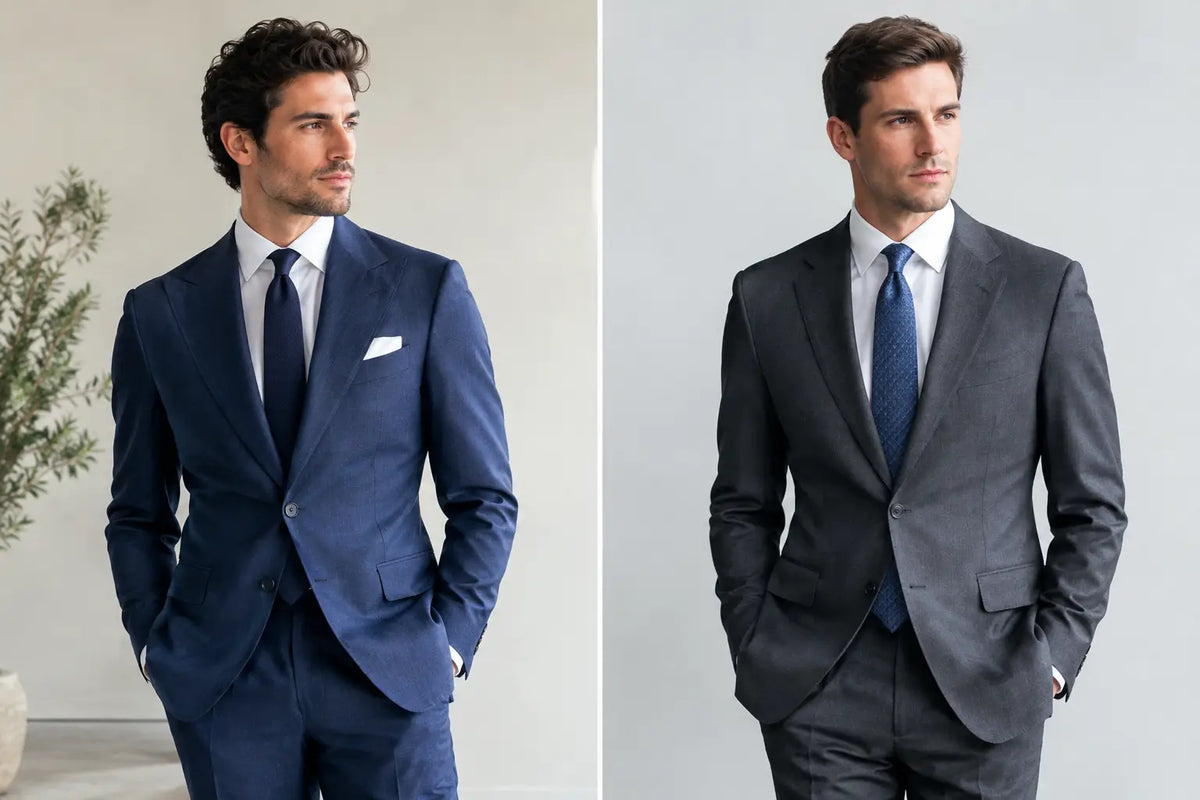
A luxury cloth earns much of its impact through texture, not colour alone. Navy can be flat in a smooth, inexpensive fabric yet appear deeply dimensional in a finely woven hopsack or wool-silk-linen blend. Grey gains character through a subtle mélange. Brown becomes sophisticated when its warmth is tempered by a dry, matte finish.
For a first bespoke jacket, navy remains exceptionally capable. It can be formal enough for business, relaxed enough for dinner and easy to combine with grey, stone, cream or darker trousers. Once that foundation is established, textured mid-blue, tobacco, olive and soft grey offer greater individuality.
Patterns should serve the cloth rather than compete with it. A restrained check can add presence to a plain outfit, while a loud pattern in a highly textured fabric can become visually crowded. The most enduring jackets tend to reveal their detail gradually.
A fine jacket fabric should make you feel prepared before a word is spoken. Choose it for the climate, the occasion and the life you genuinely live, then allow expert tailoring to give that cloth its proper purpose.